
What Is HVAC? A Complete Guide to Heating, Ventilation and Air Conditioning
Admin
HVAC Engineering & Operations Team
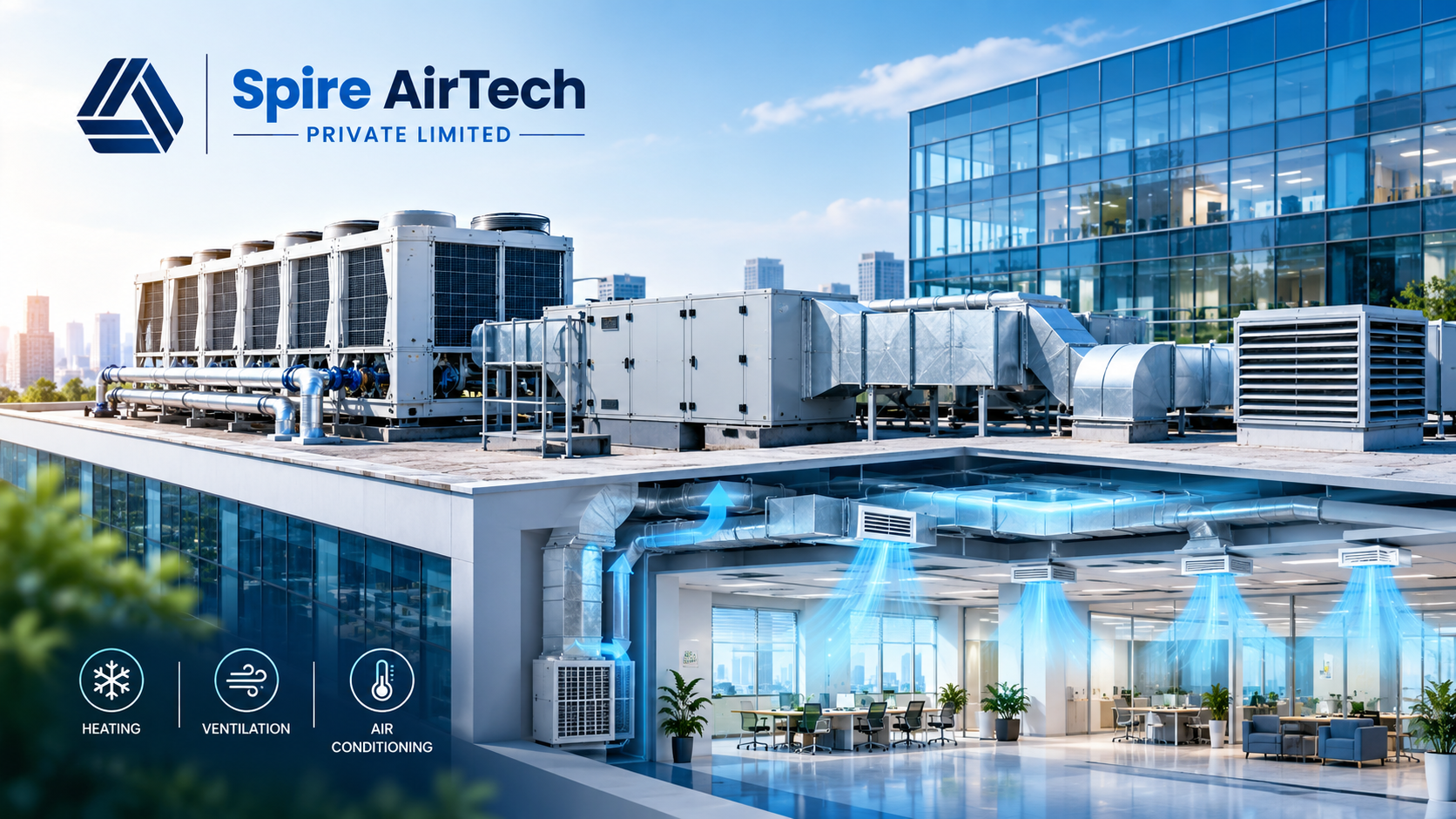
HVAC plays an important role in maintaining comfortable indoor environments in commercial buildings, offices, hospitals, industries and residential spaces. Whether it is cooling a large office, maintaining fresh airflow in a hospital or controlling temperature in an industrial facility, HVAC systems help create suitable indoor conditions.
But what is HVAC, how does it work, and why is it important for modern buildings?
HVAC stands for Heating, Ventilation and Air Conditioning. It refers to the systems and equipment used to regulate indoor temperature, humidity, air circulation and indoor air quality.
In this guide, we will explain the meaning of HVAC, its working process, major components, different types of HVAC systems, benefits and common applications.
What Does HVAC Stand For?
HVAC stands for:
- Heating: Maintains indoor warmth during cold weather.
- Ventilation: Circulates fresh air and helps remove stale air, odours and indoor pollutants.
- Air Conditioning: Cools indoor spaces and helps control humidity.
Together, these functions help maintain a comfortable and controlled indoor environment.
HVAC systems are commonly used in commercial buildings, industrial facilities, healthcare centres, educational institutions, hotels, shopping complexes and residential properties.
How Does an HVAC System Work?
An HVAC system works by controlling temperature and airflow inside a building. Depending on the system design, it may use heating equipment, cooling equipment, ventilation components, ductwork and automated controls.
The three main functions work as follows:
1. Heating
The heating function increases indoor temperature when the weather is cold. Depending on the building and system design, heating may be provided through heat pumps, furnaces, boilers or other heating equipment.
2. Ventilation
Ventilation helps maintain indoor air quality by supplying fresh outdoor air and removing stale indoor air. Air handling units, exhaust fans, ventilation ducts and filters may be used to support proper air circulation.
3. Air Conditioning
Air conditioning removes heat from indoor air to reduce room temperature. Most conventional cooling systems use a refrigeration cycle involving components such as a compressor, condenser, expansion device and evaporator.
Modern HVAC systems may also include humidity controls, sensors and automation to maintain suitable indoor conditions.
Main Components of an HVAC System
An HVAC system consists of several components that work together to manage heating, cooling and ventilation.
1. Compressor
The compressor circulates refrigerant through the refrigeration system by increasing its pressure and temperature. It is an important component in many air conditioning and heat pump systems.
2. Condenser
The condenser releases heat from the refrigerant to the surrounding air or water, depending on the system design.
3. Evaporator Coil
The evaporator absorbs heat from indoor air as refrigerant passes through it. This process helps cool the air supplied to the building.
4. Air Handling Unit (AHU)
An Air Handling Unit manages the movement and conditioning of air. It may include fans, filters, cooling or heating coils and other components depending on the application.
5. Ducting System
Ducts distribute conditioned air throughout different rooms and areas of a building. Proper duct design and installation help support effective airflow.
6. Air Filters
Air filters capture dust and other airborne particles. The filtration level depends on the filter type and the requirements of the building.
7. Thermostat and Control System
Thermostats and HVAC controls help regulate temperature and system operation. Advanced control systems may also monitor humidity, airflow and equipment performance.
Different Types of HVAC Systems
HVAC systems are selected according to building size, occupancy, cooling or heating requirements, energy considerations and installation conditions.
Some commonly used HVAC systems include:
1. Split HVAC System
Split systems generally consist of an indoor unit and an outdoor unit. They are commonly used for individual rooms, offices and smaller commercial spaces.
2. VRF/VRV System
Variable Refrigerant Flow (VRF) or Variable Refrigerant Volume (VRV) systems use refrigerant flow control to serve multiple indoor units. They can provide individual zone temperature control and are commonly considered for offices, hotels and commercial buildings.
3. Chiller-Based HVAC System
Chiller systems cool water, which is then circulated to air handling units or fan coil units for space cooling. They are commonly used in large commercial and industrial facilities where centralised cooling is required.
4. Packaged HVAC System
Packaged systems combine major heating and cooling components into a single unit. They are often installed on rooftops or in designated equipment areas.
5. Central HVAC System
Central HVAC systems use a central plant or equipment arrangement to provide heating or cooling to multiple areas of a building. These systems are often used in large facilities with substantial heating, cooling and ventilation requirements.
Benefits of HVAC Systems
A properly designed and maintained HVAC system offers several benefits:
- Indoor Comfort: Helps maintain suitable indoor temperature throughout the year.
- Better Ventilation: Supports fresh air circulation and removal of stale indoor air.
- Temperature Control: Allows different areas to maintain their required temperature settings.
- Humidity Management: Helps control indoor humidity when the system is designed for it.
- Operational Efficiency: Appropriate equipment selection and system design can help reduce unnecessary energy consumption.
- Equipment Protection: Suitable temperature and environmental controls can support the operating requirements of certain equipment and facilities.
Actual performance and energy savings depend on system design, equipment efficiency, installation quality, building conditions and maintenance.
Common Applications of HVAC Systems
HVAC systems are used across different sectors because each type of building has specific indoor environmental requirements.
Commercial Buildings
Offices, shopping centres, hotels and business complexes use HVAC systems to maintain comfortable indoor conditions for employees, visitors and customers.
Healthcare Facilities
Hospitals, clinics and laboratories may require carefully designed ventilation, filtration, temperature and pressure-control arrangements according to the relevant area and applicable standards.
Industrial Facilities
Factories, warehouses and production units may need specialised cooling, ventilation and exhaust systems to support their processes and working environments.
Educational Institutions
Schools, colleges and training centres use HVAC systems to support indoor comfort and ventilation in classrooms, laboratories and common areas.
Data Centres
Data centres require carefully planned cooling systems to manage heat generated by servers and other electronic equipment. System reliability and temperature monitoring are important considerations.
Why Is HVAC System Maintenance Important?
Regular HVAC maintenance helps keep equipment operating as intended and can identify potential problems before they become major issues.
Common maintenance activities include:
- Inspecting and cleaning air filters.
- Checking electrical connections and controls.
- Inspecting refrigerant circuits for signs of problems.
- Cleaning coils where required.
- Checking fans, motors and airflow.
- Inspecting ductwork and ventilation components.
- Monitoring system performance.
- Scheduling preventive maintenance according to equipment requirements.
Maintenance frequency depends on equipment type, operating hours, environmental conditions and manufacturer recommendations.
How to Choose the Right HVAC System?
Selecting the right HVAC system requires an understanding of the building's technical and operational requirements.
Consider the following factors:
- Building Size and Layout: Evaluate the total area, ceiling height, room arrangement and occupancy.
- Cooling and Heating Load: Calculate the required capacity based on building conditions and usage.
- Ventilation Requirements: Determine fresh air, exhaust and filtration requirements.
- Energy Efficiency: Compare equipment efficiency and expected operating costs.
- System Type: Choose between split, VRF/VRV, chiller-based, packaged or central HVAC systems according to project needs.
- Installation and Maintenance: Consider available installation space, accessibility, maintenance requirements and long-term support.
- Professional Assessment: Consult qualified HVAC professionals for system selection, design and installation planning.
A suitable HVAC system should match the building's requirements rather than simply being selected on the basis of equipment capacity or initial cost.
HVAC Project Solutions in Gurgaon by Spire AirTech
Planning and executing an HVAC project requires proper coordination between system design, equipment selection, installation, ducting, ventilation and commissioning.
Spire AirTech is a Gurgaon-based HVAC engineering and solutions company providing air-conditioning, ventilation, industrial air cooling and maintenance solutions for commercial and industrial applications.
For businesses looking for professional HVAC project support, explore our HVAC Project Solutions in Gurgaon to learn more about our services, including VRF/VRV systems, chillers, ducted air conditioning and AHU systems.
Choosing an HVAC solution based on actual project requirements can help support suitable indoor comfort, ventilation and system performance.
Conclusion
HVAC stands for Heating, Ventilation and Air Conditioning. These systems help regulate indoor temperature, manage airflow and support indoor air quality across residential, commercial and industrial buildings.
Understanding HVAC components, system types, applications and maintenance requirements makes it easier to select a suitable solution for a building.
Whether you are planning a new commercial facility or upgrading an existing industrial system, professional HVAC planning and proper equipment selection are important steps towards achieving reliable indoor environmental control.
Frequently Asked Questions About HVAC
1. What is HVAC in simple words?
HVAC stands for Heating, Ventilation and Air Conditioning. It refers to systems that control indoor temperature, airflow and humidity to help maintain comfortable indoor conditions.
2. What are the three main functions of HVAC?
The three main functions are heating, ventilation and air conditioning. They help regulate indoor temperature, circulate fresh air and cool indoor spaces.
3. What are the main components of an HVAC system?
Common HVAC components include compressors, condensers, evaporator coils, air handling units, ductwork, air filters, fans, thermostats and control systems. The exact components depend on the system type.
4. What are the different types of HVAC systems?
Common types include split systems, VRF/VRV systems, chiller-based systems, packaged HVAC systems and central HVAC systems.
5. Where are HVAC systems commonly used?
HVAC systems are used in offices, hospitals, hotels, shopping centres, schools, factories, warehouses, data centres and residential buildings.
6. Why is ventilation important in HVAC?
Ventilation helps supply fresh outdoor air and remove stale indoor air, odours and certain airborne pollutants. It is an important part of maintaining indoor air quality.
7. How often should an HVAC system be serviced?
Service frequency depends on the equipment, usage, operating environment and manufacturer recommendations. Filters and system components should be inspected regularly, with preventive maintenance scheduled as required.
8. How do I choose the right HVAC system for a commercial building?
Consider building size, occupancy, heating and cooling loads, ventilation requirements, energy efficiency, installation space and maintenance needs. A qualified HVAC professional can assess these factors and recommend a suitable system.